


Escopram
- ENG
- မြန်မာ
For the use of Registered Medical Practitioner or a Hospital or Laboratory
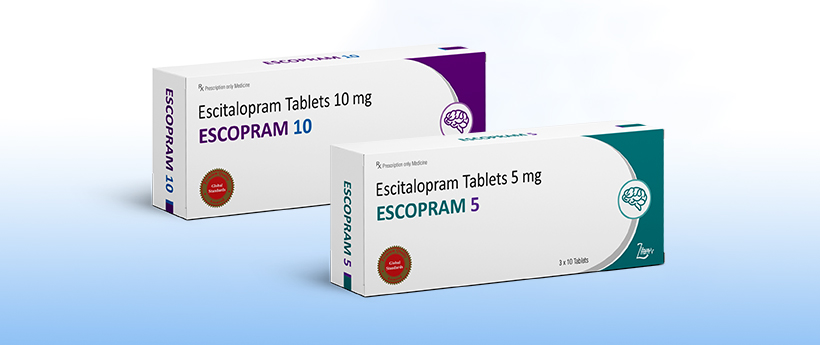
Escitalopram Tablets 5 mg
ESCOPRAM 5
Composition
Each film-coated tablet contains:
Escitalopram Oxalate
Equivalent to Escitalopram….5 mg
Escitalopram Tablets 10 mg
ESCOPRAM 10
Composition
Each film-coated tablet contains:
Escitalopram Oxalate
Equivalent to Escitalopram….10 mg
1 DESCRIPTION
Escopram (escitalopram oxalate) is an orally administered selective serotonin reuptake inhibitor (SSRI). Escitalopram is the pure S enantiomer (single isomer) of the racemic bicyclic phthalane derivative citalopram. Escitalopram oxalate is designated S-(+)-1-[3 (dimethyl-amino) propyl]-1-(p-fluorophenyl)-5-phthalancarbonitrile oxalate with the following structural formula:
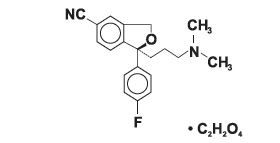
The molecular formula is C₂H₂, FN,O-C₂H₂O, and the molecular weight is 414.40. Escitalopram oxalate occurs as a fine, white to slightly-yellow powder and is freely soluble in methanol and dimethyl sulfoxide (DMSO), soluble in Isotonic saline solution, sparingly soluble in water and ethanol, slightly soluble in ethyl acetate, and insoluble in heptane.
2 CLINICAL PHARMACOLOGY
2.1 Mechanism of Action
The mechanism of antidepressant action of escitalopram, the S-enantiomer of racemic citalopram, is presumed to be linked to potentiation of serotonergic activity in the central nervous system (CNS) resulting from its inhibition of CNS neuronal reuptake of serotonin (5-HT).
2.2 Pharmacodynamics
In vitro and in vivo studies in animals suggest that escitalopram is a highly selective serotonin reuptake inhibitor (SSRI) with minimal effects on norepinephrine and dopamine neuronal reuptake. Escitalopram is at least 100-fold more potent than the R-enantiomer with respect to inhibition of 5-HT reuptake and inhibition of 5-HT neuronal firing rate. Tolerance to a model of antidepressant effect in rats was not induced by long-term (up to 5 weeks) treatment with escitalopram. Escitalopram has no or very low affinity for serotonergic (5-HT,,) or other receptors including alpha- and beta-adrenergic, dopamine (D,), histamine (H), muscarinic (M), and benzodiazepine receptors. Escitalopram also does not bind to, or has low affinity for, various ion channels including Na, K, Cl, and Ca channels. Antagonism of muscarinic, histaminergic, and adrenergic receptors has been hypothesized to be associated with various anticholinergic, sedative, and cardiovascular side effects of other psychotropic drugs.
2.3 Pharmacokinetics
The single- and multiple-dose pharmacokinetics of escitalopram are linear and dose-proportional in a dose range of 10 to 30 mg/day. Biotransformation of escitalopram is mainly hepatic, with a mean terminal half-life of about 27-32 hours. With once-daily dosing, steady state plasma concentrations are achieved within approximately one week. At steady state, the extent of accumulation of escitalopram in plasma in young healthy subjects was 2.2-2.5 times the plasma concentrations observed after a single dose.
Absorption and Distribution
Following a single oral dose (20 mg tablet) of escitalopram, peak blood levels occur at about 5 hours. Absorption of escitalopram is not affected by food. The absolute bioavailability of citalopram is about 80% relative to an Intravenous dose, and the volume of distribution of citalopram is about 12 L/kg. Data specific on escitalopram are unavailable. The binding of escitalopram to human plasma proteins is approximately 56%.
Metabolism and Elimination
Following oral administrations of escitalopram, the fraction of drug recovered in the urine as escitalopram and S demethylcitalopram (S-DCT) is about 8% and 10%, respectively. The oral clearance of escitalopram is 600 mL/min, with approximately 7% of that due to renal clearance. Escitalopram is metabolized to S-DCT and S-didemethylcitalopram (S-DDCT), In humans, unchanged escitalopram is the predominant compound in plasma. At steady state, the concentration of the escitalopram metabolite S-DCT in plasma is approximately one-third that of escitalopram. The level of S-DDCT was not detectable in most subjects. In vitro studies show that escitalopram is at least 7 and 27 times more potent than S-DCT and S-DDCT, respectively, in the inhibition of serotonin reuptake, suggesting that the metabolites of escitalopram do not contribute significantly to the antidepressant actions of escitalopram. S-DCT and S-DDCT also have no or very low affinity for serotonergic (5-HT) or other receptors including alpha and beta-adrenergic, dopamine (D), histamine (H), muscarinic (M), and benzodiazepine receptors. S-DCT and S-DDCT also do not bind to various ion channels including Na, K, Cl, and Ca” channels. In vitro studies using human liver microsomes indicated that CYP3A4 and CYP2C19 are the primary isozymes involved in the N demethylation of escitalopram.
Population Subgroups
Age
Adolescents In a single dose study of 10 mg escitalopram, AUC of escitalopram decreased by 19%, and C increased by 26% in healthy adolescent subjects (12 to 17 years of age) compared to adults. Following multiple dosing of 40 mg/day citalopram, escitalopram elimination half-life, steady-state C and AUC were similar in patients with MDD (12 to 17 years of age) compared to adult patients. No adjustment of dosage is needed in adolescent patients. Elderly-Escitalopram pharmacokinetics in subjects ≥ 65 years of age were compared to younger subjects in a single-dose and a multiple-dose study. Escitalopram AUC and half-life were increased by approximately 50% in elderly subjects, and C was unchanged. 10 mg is the recommended dose for elderly patients.
Gender – Based on data from single- and multiple-dose studies measuring escitalopram in elderly, young adults, and adolescents, no dosage adjustment on the basis of gender is needed.
Reduced hepatic function – Citalopram oral clearance was reduced by 37% and half-life was doubled in patients with reduced hepatic function compared to normal subjects. 10 mg is the recommended dose of escitalopram for most hepatically impaired patients.
Reduced renal function – In patients with mild to moderate renal function impairment, oral clearance of citalopram was reduced by 17% compared to normal subjects. No adjustment of dosage for such patients is recommended. No information is available about the pharmacokinetics of escitalopram in patients with severely reduced renal function (creatinine clearance <20 mL/min).
Drug-Drug Interactions
In vitro enzyme inhibition data did not reveal an inhibitory effect of escitalopram on CYP3A4, -1A2, -2C9, -2C19, and-2E1. Based on in vitro data, escitalopram would be expected to have little inhibitory effect on in vivo metabolism mediated by these cytochromes. While in vivo data to address this question are limited, results from drug interaction studies suggest that escitalopram, at a dose of 20 mg, has no 3A4 inhibitory effect and a modest 2D6 inhibitory effect.
3 INDICATIONS AND USAGE
3.1 Major Depressive Disorder
Escitalopram is indicated for the acute and maintenance treatment of major depressive disorder in adults and in adolescents 12 to 17 years of age. A major depressive episode (DSM-IV) implies a prominent and relatively persistent (nearly every day for at least 2 weeks) depressed or dysphoric mood that usually interferes with daily functioning, and includes at least five of the following nine symptoms: depressed mood, loss of interest in usual activities, significant change in weight and/or appetite, insomnia or hypersomnia, psychomotor agitation or retardation, increased fatigue, feelings of guilt or worthlessness, slowed thinking or impaired concentration, a suicide attempt or suicidal ideation.
3.2 Generalized Anxiety Disorder
Escitalopram is indicated for the acute treatment of Generalized Anxiety Disorder (GAD) in adults, Generalized Anxiety Disorder (DSM-IV) is characterized by excessive anxiety and worry (apprehensive expectation) that is persistent for at least 6 months and which the person finds difficult to control. It must be associated with at least 3 of the following symptoms: restlessness or feeling keyed up or on edge, being easily fatigued, difficulty concentrating or mind going blank, irritability, muscle tension, and sleep disturbance.
4 DOSAGE AND ADMINISTRATION
Escitalopram should be administered once daily, in the morning or evening, with or without food.
4.1 Major Depressive Disorder initial Treatment Adolescents
The recommended dose of Escitalopram is 10 mg once daily. A flexible dose trial of Escitalopram (10 to 20 mg/day) demonstrated the effectiveness of Escitalopram. If the dose is increased to 20 mg, this should occur after a minimum of three weeks.
Adults
The recommended dose of Escitalopram is 10 mg once daily. A fixed-dose trial of Escitalopram demonstrated the effectiveness of both 10 mg and 20 mg of Escitalopram, but failed to demonstrate a greater benefit of 20 mg over 10 mg. If the dose is increased to 20 mg, this should occur after a minimum of one week.
Maintenance Treatment
It is generally agreed that acute episodes of major depressive disorder require several months or longer of sustained pharmacological therapy beyond response to the acute episode. Systematic evaluation of continuing Escitalopram 10 or 20 mg/day in adults patients with major depressive disorder who responded while taking Escitalopram during an 8-week, acute-treatment phase demonstrated a benefit of such maintenance treatment. Nevertheless, the physician who elects to use Escitalopram for extended periods should periodically re-evaluate the long-term usefulness of the drug for the individual patient. Patients should be periodically reassessed to determine the need for maintenance treatment.
4.2 Generalized Anxiety Disorder Initial Treatment
Adults
The recommended starting dose of Escitalopram is 10 mg once daily. If the dose is increased to 20 mg, this should occur after a minimum of one week.
Maintenance Treatment
Generalized anxiety disorder is recognized as a chronic condition. The efficacy of Escitalopram in the treatment of GAD beyond 8 weeks has not been systematically studied. The physician who elects to use Escitalopram for extended periods should periodically re-evaluate the long-term usefulness of the drug for the individual patient.
4.3 Special Populations
10 mg/day is the recommended dose for most elderly patients and patients with hepatic impairment. No dosage adjustment is necessary for patients with mild or moderate renal impairment. Escitalopram should be used with caution in patients with severe renal impairment.
4.4 Discontinuation of Treatment with Escitalopram
Symptoms associated with discontinuation of Escitalopram and other SSRIs and SNRIs have been reported. Patients should be monitored for these symptoms when discontinuing treatment. A gradual reduction in the dose rather than abrupt cessation is recommended whenever possible. If intolerable symptoms occur following a decrease in the dose or upon discontinuation of treatment, then resuming the previously prescribed dose may be considered. Subsequently, the physician may continue decreasing the dose but at a more gradual rate.
4.5 Switching a Patient To or From a MAOI Intended to Treat Psychiatric Disorders
At least 14 days should elapse between discontinuation of an MAOI intended. to treat psychiatric disorders and initiation of therapy with Escitalopram. Conversely, at least 14 days should be allowed after stopping Escitalopram before starting an MAOI intended to treat psychiatric disorders.
4.6 Use of Escitalopram with Other MAOIs such as Linezolid or Methylene Blue
Do not start Escitalopram in a patient who is being treated with linezolid or intravenous methylene blue because there is an increased risk of serotonin syndrome. In a patient who requires more urgent treatment of a psychiatric condition, other interventions, including hospitalization, should be considered. In some cases, a patient already receiving Escitalopram therapy may require urgent treatment with linezolid or intravenous methylene blue. If acceptable alternatives to linezolid or intravenous methylene blue treatment are not available and the potential benefits of linezolid or intravenous methylene blue treatment are judged to outweigh the risks of serotonin syndrome in a particular patient, Escitalopram should be stopped promptly, and linezolid or intravenous methylene blue can be administered. The patient should be monitored for symptoms of serotonin syndrome for 2 weeks or until 24 hours after the last dose of linezolid or intravenous methylene blue, whichever comes first. Therapy with Escitalopram may be resumed 24 hours after the last dose of linezolid or intravenous methylene.
The risk of administering methylene blue by non-intravenous routes (such as oral tablets or by local injection) or in intravenous doses much lower than 1 mg/kg with Escitalopram is unclear. The clinician should, nevertheless, be aware of the possibility of emergent symptoms of serotonin syndrome with such use.
5 CONTRAINDICATIONS
5.1 Monoamine Oxidase Inhibitors (MAOIs)
The use of MAOIs intended to treat psychiatric disorders with Escitalopram or within 14 days of stopping treatment with Escitalopram is contraindicated because of an increased risk of serotonin syndrome. The use of Escitalopram within 14 days of stopping an MAOI intended to treat psychiatric disorders is also contraindicated. Starting Escitalopram in a patient who is being treated with MAOIs such as linezolid or intravenous methylene blue is also contraindicated because of an increased risk of serotonin syndrome.
5.2 Pimozide
Concomitant use in patients taking pimozide is contraindicated.
5.3 Hypersensitivity to escitalopram or citalopram
Escitalopram is contraindicated in patients with a hypersensitivity to escitalopram or citalopram or any of the inactive ingredients in Escitalopram.
6 WARNINGS AND PRECAUTIONS
6.1 Clinical Worsening and Suicide Risk
Antidepressants increased the risk compared to placebo of suicidal thinking and behavior (suicidality) in children, adolescents, and young adults in short-term studies of major depressive disorder (MDD) and other psychiatric disorders.
Anyone considering the use of Escitalopram or any other antidepressant in a child, adolescent, or young adult must balance this risk with the clinical need. Short-term studies did not show an increase in the risk of suicidality with antidepressants compared to placebo in adults beyond age 24; there was a reduction in risk with antidepressants compared to placebo in adults aged 65 and older. Depression and certain other psychiatric disorders are themselves associated with increases in the risk of suicide. Patients of all ages who are started on antidepressant therapy should be monitored appropriately and observed closely for clinical worsening, suicidality, or unusual changes in behavior. Families and caregivers should be advised of the need for close observation and communication with the prescriber. Escitalopram is not approved for use in pediatric patients less than 12 years of age.
6.2 Screening Patients for Bipolar Disorder
A major depressive episode may be the initial presentation of bipolar disorder. Prior to initiating treatment with an antidepressant, patients with depressive symptoms should be adequately screened to determine if they are at risk for bipolar disorder, such screening should include a detailed psychiatric history, including a family history of suicide, bipolar disorder, and depression. It should be noted that Escitalopram is not approved for use in treating bipolar depression.
6.3 Serotonin Syndrome
The development of a potentially life-threatening serotonin syndrome has been reported with SNRIs and SSRIs, including Escitalopram, alone but particularly with concomitant use of other serotonergic drugs (including triptans, tricyclic antidepressants, fentanyl, lithium, tramadol, tryptophan, buspirone, amphetamines, and St. John’s Wort) and with drugs that impair metabolism of serotonin (in particular, MAOIs, both those intended to treat psychiatric disorders and also others, such as linezolid and intravenous methylene blue). Serotonin syndrome symptoms may include mental status changes (e.g., agitation, hallucinations, delirium, and coma), autonomic instability (e.g.. tachycardia, labile blood pressure, dizziness, diaphoresis, flushing, hyperthermia), neuromuscular symptoms (e.g., tremor, rigidity, myoclonus, hyperreflexia, incoordination) seizures, and/or gastrointestinal symptoms (e.g., nausea, vomiting, diarrhea). Patients should be monitored for the emergence of serotonin syndrome. The concomitant use of Escitalopram with MAOIs intended to treat psychiatric disorders is contraindicated. Escitalopram should also not be started in a patient who is being treated with MAOIs such as linezolid or intravenous methylene blue. If concomitant use of Escitalopram with other serotonergic drugs including, triptans, tricyclic antidepressants, fentanyl, lithium, tramadol, buspirone, tryptophan, amphetamine and St. John’s Wort is clinically warranted, patients should be made aware of a potential increased risk for serotonin syndrome, particularly during treatment initiation and dose increases. Treatment with Escitalopram and any concomitant serotonergic agents, should be discontinued immediately if the above events occur and supportive symptomatic treatment should be initiated.
6.4 Discontinuation of Treatment with Escitalopram
Dysphoric mood, irritability, agitation, dizziness, sensory disturbances (e.g., paresthesias such as electric shock sensations), anxiety, confusion, headache, lethargy, emotional lability, insomnia, and hypomania have been reported. While these events are generally self-limiting, there have been reports of serious discontinuation symptoms. Patients should be monitored for these symptoms when discontinuing treatment with Escitalopram. A gradual reduction in the dose rather than abrupt cessation is recommended whenever possible. If intolerable symptoms occur following a decrease in the dose or upon discontinuation of treatment, then resuming the previously prescribed dose may be considered. Subsequently, the physician may continue decreasing the dose but at a more gradual rate.
6.5 Seizures
Like other drugs effective in the treatment of major depressive disorder, Escitalopram should be introduced with care in patients with a history of seizure disorder.
6.6 Activation of Mania/Hypomania
Escitalopram should be used cautiously in patients with a history of mania.
6.7 Hyponatremia
Hyponatremia may occur as a result of treatment with SSRIs and SNRIs, including Escitalopram. Signs and symptoms of hyponatremia include headache, difficulty concentrating, memory impairment, confusion, weakness, and unsteadiness, which may lead to falls. Signs and symptoms associated with more severe and/or acute cases have included hallucination, syncope, seizure, coma, respiratory arrest, and death.
6.8 Abnormal Bleeding
SSRIs and SNRIs, including Escitalopram, may increase the risk of bleeding events. Concomitant use of aspirin, nonsteroidal anti-inflammatory drugs, warfarin, and other anticoagulants may add to the risk. Case reports and epidemiological studies (case-control and cohort design) have demonstrated an association between use of drugs that interfere with serotonin reuptake and the occurrence of gastrointestinal bleeding. Bleeding events related to SSRIs and SNRIs use have ranged from ecchymoses, hematomas, epistaxis, and petechiae to life-threatening hemorrhages.
Patients should be cautioned about the risk of bleeding associated with the concomitant use of Escitalopram and NSAIDs, aspirin, or other drugs that affect coagulation.
6.9 Interference with Cognitive and Motor Performance
Because any psychoactive drug may impair judgment, thinking, or motor skills, however, patients should be cautioned about operating hazardous machinery, including automobiles, until they are reasonably certain that Escitalopram therapy does not affect their ability to engage in such activities.
6.10 Angle Closure Glaucoma
Angle Closure Glaucoma: The pupillary dilation that occurs following use of many antidepressant drugs including Escitalopram may trigger an angle closure attack in a patient with anatomically narrow angles who does not have a patent iridectomy.
6.11 Use in Patients with Concomitant Illness
Caution is advisable in using Escitalopram in patients with diseases or conditions that produce altered metabolism or hemodynamic responses.
7 ADVERSE REACTIONS
Adverse Events Associated with Discontinuation of Treatment Major Depressive Disorder Pediatrics (6-17 years)
The most common adverse event associated with discontinuation was insomnia (1% Escitalopram, 0% placebo).
Adults
Adverse events that were associated with the discontinuation of at least 1% of patients treated with Escitalopram, and for which the rate was at least twice that of placebo, were nausea (2%) and ejaculation disorder (2% of male patients).
Generalized Anxiety Disorder Adults
Adverse events that were associated with the discontinuation of at least 1% of patients treated with Escitalopram, and for which the rate was at least twice the placebo rate, were nausea (2%), insomnia (1%), and fatigue (1%).
Incidence of Adverse Reactions in Placebo-Controlled Clinical Trials Major Depressive Disorder Pediatrics (6-17 years)
Back pain, urinary tract infection, vomiting, and nasal congestion.
Adults
The most commonly observed adverse reactions in Escitalopram patients (incidence of approximately 5% or greater and approximately twice the incidence in placebo patients) were insomnia, ejaculation disorder (primarily ejaculatory delay), nausea, sweating increased, fatigue, and somnolence.
Generalized Anxiety Disorder Adults
The most commonly observed adverse reactions in Escitalopram patients (incidence of approximately 5% or greater and approximately twice the incidence in placebo patients) were nausea, ejaculation disorder (primarily ejaculatory delay), insomnia, fatigue, decreased libido, and anorgasmia.
Dose Dependency of Adverse Reactions
The potential dose dependency of common adverse reactions (defined as an incidence rate of 25% in either the 10 mg or 20 mg Escitalopram groups) was examined on the basis of the combined incidence of adverse reactions in two fixed-dose trials. The overall incidence rates of adverse events in 10 mg Escitalopram -treated patients (66%) was similar to that of the placebo-treated patients (61%), while the incidence rate in 20 mg/day Escitalopram-treated patients was greater (86%).
Male and Female Sexual Dysfunction with SSRIs
Although changes in sexual desire, sexual performance, and sexual satisfaction often occur as manifestations of a psychiatric disorder, they may also be a consequence of pharmacologic treatment. In particular, some evidence suggests that SSRIs can cause such untoward sexual experiences.
Vital Sign Changes
Escitalopram and placebo groups were compared with respect to (1) mean change from baseline in vital signs (pulse, systolic blood pressure, and diastolic blood pressure) and (2) the incidence of patients meeting criteria for potentially clinically significant changes from baseline in these variables. These analyses did not reveal any clinically important changes in vital signs associated with Escitalopram treatment. In addition, a comparison of supine and standing vital sign measures in subjects receiving Escitalopram indicated that Escitalopram treatment is not associated with orthostatic changes.
Weight Changes
Patients treated with Escitalopram in controlled trials did not differ from placebo-treated patients with regard to clinically important change in body weight.
Laboratory Changes
Escitalopram and placebo groups were compared with respect to (1) mean change from baseline in various serum chemistry, hematology, and urinalysis variables, and (2) the incidence of patients meeting criteria for potentially clinically significant changes from baseline in these variables. These analyses revealed no clinically important changes in laboratory test parameters associated with Escitalopram treatment.
ECG Changes
Electrocardiograms from Escitalopram (N-625) and placebo (N=527) groups were compared with respect to outliers defined as subjects with QTc changes over 60 msec from baseline or absolute values over 500 msec post-dose, and subjects with heart rate increases to over 100 bpm or decreases to less than 50 bpm with a 25% change from baseline (tachycardic or bradycardic outliers, respectively). None of the patients in the Escitalopram group had a QTcF interval >500 msec or a prolongation >60 msec compared to 0.2% of patients in the placebo group. The incidence of tachycardic outliers was 0.2% in the Escitalopram and the placebo group. The incidence of bradycardic outliers was 0.5% in the Escitalopram group and 0.2% in the placebo group.
Other Reactions:
Cardiovascular hypertension, palpitation. Central and Peripheral Nervous System Disorders-light-headed feeling, migraine. Gastrointestinal Disorders-abdominal cramp, heart bum, gastroenteritis. General-allergy, chest pain, fever, hot flushes, pain in limb. Metabolic and Nutritional Disorders increased weight. Musculoskeletal System Disorders – arthralgia, myalgia jaw stiffness. Psychiatric Disorders appetite increased, concentration impaired, irritability. Reproductive Disorders/Female – menstrual cramps, menstrual disorder. Respiratory System Disorders bronchitis, coughing, nasal congestion, sinus congestion, sinus headache. Skin and Appendages Disorders – rash. Special Senses – vision blurred, tinnitus. Urinary System Disorders – urinary frequency, urinary tract infection.
8 DRUG INTERACTIONS
8.1 Monoamine Oxidase Inhibitors (MAOIs)
[See Dosage and Administration, Contraindications and Warnings and Precautions].
8.2 Serotonergic Drugs
[See Dosage and Administration, Contraindications and Warnings and Precautions].
8.3 Triptans
There have been rare post marketing reports of serotonin syndrome with use of an SSRI and a triptan. If concomitant treatment of Escitalopram with a triptan is clinically warranted, careful observation of the patient is advised, particularly during treatment Initiation and dose increases.
8.4 CNS Drugs
Given the primary CNS effects of escitalopram, caution should be used when it is taken in combination with other centrally acting drugs.
8.5 Alcohol
Although Escitalopram did not potentiate the cognitive and motor effects of alcohol in a clinical trial, as with other psychotropic medications, the use of alcohol by patients taking Escitalopram is not recommended.
8.6 Drugs That Interfere With Hemostasis (NSAIDs, Aspirin, Warfarin, etc.)
Serotonin release by platelets plays an important role in hemostasis. Epidemiological studies of the case-control and cohort design that have demonstrated an association between use of psychotropic drugs that interfere with serotonin reuptake and the occurrerice of upper gastrointestinal bleeding have also shown that concurrent use of an NSAID or aspirin may potentiate the risk of bleeding. Altered anticoagulant effects, including increased bleeding, have been reported when SSRIs and SNRIs are coadministered with warfarin. Patients receiving warfarin therapy should be carefully monitored when Escitalopram is initiated or discontinued.
8.7 Cimetidine
In subjects who had received 21 days of 40 mg/day racemic citalopram, combined administration of 400 mg twice a day cimetidine for 8 days resulted in an increase in citalopram AUC and Cmax of 43% and 39%, respectively. The clinical significance of these findings is unknown.
8.8 Digoxin
In subjects who had received 21 days of 40 mg/day racemic citalopram, combined administration of citalopram and digoxin (single dose of 1 mg) did not significantly affect the pharmacokinetics of either citalopram or digoxin.
8.9 Lithium
Coadministration of racemic citalopram (40 mg/day for 10 days) and lithium (30 mmol/day for 5 days) had no significant effect on the pharmacokinetics of citalopram or lithium. Nevertheless, plasma lithium levels should be monitored with appropriate adjustment to the lithium dose in accordance with standard clinical practice. Because lithium may enhance the serotonergic effects of escitalopram, caution should be exercised when Escitalopram and lithium are coadministered.
8.10 Pimozide and Celexa
In a controlled study, a single dose of pimozide 2 mg co-administered with racemic citalopram 40 mg given once daily for 11 days was associated with a mean increase in QTc values of approximately 10 msec compared to pimozide given alone. Racemic citalopram did not alter the mean AUC or Cmax of pimozide. The mechanism of this pharmacodynamic interaction is not known.
8.11 Sumatriptan
There have been rare postmarketing reports describing patients with weakness, hyperreflexia, and incoordination following the use of an SSRI and sumatriptan. If concomitant treatment with sumatriptan and an SSRI (e.g., fluoxetine, fluvoxamine, paroxetine, sertraline, citalopram, escitalopram) is clinically warranted, appropriate observation of the patient is advised.
8.12 Theophylline
Combined administration of racemic citalopram (40 mg/day for 21 days) and the CYP1A2 substrate theophylline (single dose of 300 mg) did not affect the pharmacokinetics of theophylline. The effect of theophylline on the pharmacokinetics of citalopram was not evaluated.
8.13 Warfarin
Administration of 40 mg/day racemic citalopram for 21 days did not affect the pharmacokinetics of warfarin, a CYP3A4 substrate. Prothrombin time was increased by 5%, the clinical significance of which is unknown.
8.14 Carbamazepine
Combined administration of racemic citalopram (40 mg/day for 14 days) and carbamazepine (titrated to 400 mg/day for 35 days) did not significantly affect the pharmacokinetics of carbamazepine, a CYP3A4 substrate. Although trough citalopram plasma levels were unaffected, given the enzyme-inducing properties of carbamazepine, the possibility that carbamazepine might increase the clearance of escitalopram should be considered if the two drugs are coadministered.
8.15 Triazolam
Combined administration of racemic citalopram (titrated to 40 mg/day for 28 days) and the CYP3A4 substrate triazolam (single dose of 0.25 mg) did not significantly affect the pharmacokinetics of either citalopram or triazolam.
8.16 Ketoconazole
Combined administration of racemic citalopram (40 mg) and ketoconazole (200 mg), a potent CYP3A4 inhibitor, decreased the Cmax and AUC of ketoconazole by 21% and 10%, respectively, and did not significantly affect the pharmacokinetics of citalopram.
8.17 Ritonavir
Combined administration of a single dose of ritonavir (600 mg), both a CYP3A4 substrate and a potent inhibitor of CYP3A4, and escitalopram (20 mg) did not affect the pharmacokinetics of either ritonavir or escitalopram.
8.18 CYP3A4 and-2C19 Inhibitors
In vitro studies indicated that CYP3A4 and -2C19 are the primary enzymes involved in the metabolism of escitalopram. However, coadministration of escitalopram (20 mg) and ritonavir (600 mg), a potent inhibitor of CYP3A4, did not significantly affect the pharmacokinetics of escitalopram. Because escitalopram is metabolized by multiple enzyme systems, inhibition of a single enzyme may not appreciably decrease escitalopram clearance.
8.19 Drugs Metabolized by Cytochrome P4502D6
In vitro studies did not reveal an inhibitory effect of escitalopram on CYP2D6. In addition, steady state levels of racemic citalopram were not significantly different in poor metabolizers and extensive CYP2D6 metabolizers after multiple-dose administration of citalopram, suggesting that coadministration, with escitalopram, of a drug that inhibits CYP2D6, is unlikely to have clinically significant effects on escitalopram metabolism. However, there are limited in vivo data suggesting a modest CYP2D6 inhibitory effect for escitalopram, i.e., coadministration of escitalopram (20 mg/day for 21 days) with the tricyclic antidepressant desipramine (single dose of 50 mg), a substrate for CYP2D6, resulted in a 40% increase in Cmax and a 100% increase in AUC of desipramine. The clinical significance of this finding is unknown. Nevertheless, caution is indicated in the coadministration of escitalopram and drugs metabolized by CYP2D6.
8.20 Metoprolol
Administration of 20 mg/day Escitalopram for 21 days in healthy volunteers resulted in a 50% increase in C and 82% increase in AUC of the beta-adrenergic blocker metoprolol (given in a single dose of 100 mg). Increased metoprolol plasma levels have been associated with decreased cardioselectivity. Coadministration of Escitalopram and metoprolol had no clinically significant effects on blood pressure or heart rate.
9 USE IN SPECIFIC POPULATIONS
9.1 Pregnancy
Pregnancy Category C
There are no adequate and well-controlled studies in pregnant women; therefore, escitalopram should be used during pregnancy only if the potential benefit justifies the potential risk to the fetus.
Pregnancy-Nonteratogenic Effects
Neonates exposed to Escitalopram and other SSRIs or serotonin and norepinephrine reuptake inhibitors (SNRIs), late in the third trimester have developed complications requiring prolonged hospitalization, respiratory support, and tube feeding. Such complications can arise immediately upon delivery. Reported clinical findings have included respiratory distress, cyanosis, apnea, seizures, temperature instability, feeding difficulty, vomiting, hypoglycemia, hypotonia, hypertonia, hyperreflexia, tremor, jitteriness, irritability, and constant crying. These features are consistent with either a direct toxic effect of SSRIs and SNRIs or, possibly, a drug discontinuation syndrome. It should be noted that, in some cases, the clinical picture is consistent with serotonin syndrome.
Women who discontinued antidepressant medication during pregnancy showed a significant increase in relapse of their major depression compared to those women who remained on antidepressant medication throughout pregnancy. When treating a pregnant woman with Escitalopram, the physician should carefully consider both the potential risks of taking an SSRI, along with the established benefits of treating depression with an antidepressant. This decision can only be made on a case by case basis.
9.2 Labor and Delivery
The effect of Escitalopram on labor and delivery in humans is unknown.
9.3 Nursing Mothers
Escitalopram is excreted in human breast milk. Caution should be exercised and breastfeeding infants should be observed for adverse reactions when Escitalopram is administered to a nursing woman.
9.4 Pediatric Use
The safety and effectiveness of Escitalopram have been established in adolescents (12 to 17 years of age) for the treatment of major depressive disorder. Although maintenance efficacy in adolescent patients with major depressive disorder has not been systematically evaluated, maintenance efficacy can be extrapolated from adult data along with comparisons of escitalopram pharmacokinetic parameters in adults and adolescent patients. Safety and effectiveness of Escitalopram has not been established in pediatric patients less than 18 years of age with Generalized Anxiety Disorder. Decreased appetite and weight loss have been observed in association with the use of SSRIs. Consequently, regular monitoring of weight and growth should be performed in children and adolescents treated with an SSRI such as Escitalopram.
9.5 Geriatric Use
SSRIs and SNRIs, including Escitalopram, have been associated with cases of clinically significant hyponatremia in elderly patients, who may be at greater risk for this adverse event.
10 OVERDOSAGE
10.1 Human Experience
Symptoms most often accompanying escitalopram overdose, alone or in combination with other drugs and/or alcohol, included convulsions, coma, dizziness, hypotension, insomnia, nausea, vomiting, sinus tachycardia, somnolence, and ECG changes. (including QT prolongation and very rare cases of torsade de pointes). Acute renal failure has been very rarely reported accompanying overdose.
10.2 Management of Overdose
Establish and maintain an airway to ensure adequate ventilation and oxygenation. Gastric evacuation by lavage and use of activated charcoal should be considered. Careful observation and cardiac and vital sign monitoring are recommended, along with general symptomatic and supportive care. Due to the large volume of distribution of escitalopram, forced diuresis, dialysis, hemoperfusion, and exchange transfusion are unlikely to be of benefit. There are no specific antidotes for Escitalopram.
In managing over dosage, consider the possibility of multiple-drug involvement. The physician should consider contacting a poison control center for additional information on the treatment of any overdose.
11 STORAGE
Store below 30°C.
12 PRESENTATION
Alu-Alu Blister pack of 3 x 10’s in a carton along with pack insert.
KEEP MEDICINE OUT OF REACH OF CHILDREN.
Product of:
Zifam Pinnacle Pty. Ltd.,
Sydney, Australia.
Manufactured by:
Zifam Pyrex Myanmar Co. Ltd.,
Lot C6, Zone A, Thilawa SEZ, Thanlyin & Kyauk Tan Township, Yangon, Myanmar.