


Depatra
- ENG
- မြန်မာ
For the use of Registered Medical Practitioner or a Hospital or Laboratory
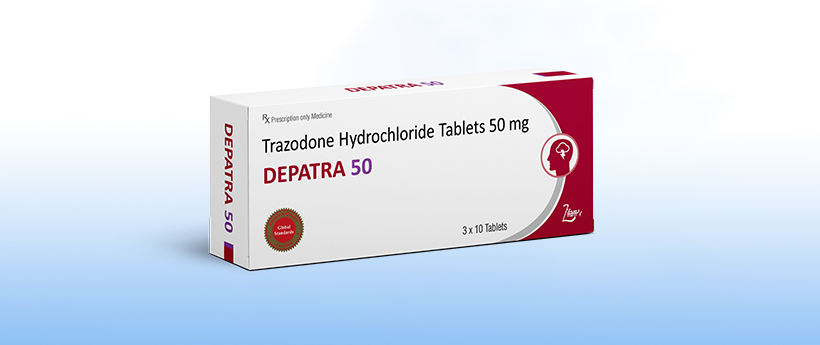
Trazodone Hydrochloride Tablets 50 mg
DEPATRA 50
COMPOSITION
Each film-coated tablet contains:
Trazodone Hydrochloride ……… 50 mg
DESCRIPTION
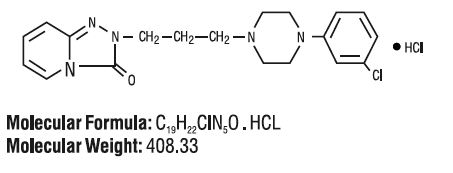
DEPATRA (trazodone hydrochloride) tablets for oral administration contain trazodone hydrochloride, a selective serotonin reuptake inhibitor and 5HT, receptor antagonist. DEPATRA is a triazolopyridine derivative designated as 2-[3-[4-(3-chlorophenyl)-1-piperazinyl] propyl]-1,2,4-triazolo [4,3-a] pyridin-3(2H)-one hydrochloride. It is a white odorless crystalline powder which is freely soluble in water. The structural formula is represented as follows:
PHARMACOLOGY
Mechanism of Action
The mechanism of trazodone’s antidepressant action is not fully understood, but is thought to be related to its enhancement of serotonergic activity in the CNS. Trazodone is both a selective serotonin reuptake inhibitor (SSRI) and a 5HT, receptor antagonist and the net result of this action on serotonergic transmission and its role in trazodone’s antidepressant effect is unknown.
Pharmacodynamics
Preclinical studies have shown that trazodone selectively inhibits neuronal reuptake of serotonin (Ki = 367nM) and acts as an antagonist at 5-HT-2A (Ki = 35.6nM) serotonin receptors. Trazodone is also an antagonist at several other monoaminergic receptors including 5-HT2B (Ki = 78.4nM) 5-HT2C (Ki = 224nM) , α1A (Ki = 153nM) a2C (Ki = 155nM) receptors and it is a partial agonist at 5-HT1A (Ki = 118nM) receptor.
Trazodone antagonizes alpha 1-adrenergic receptors, a property which may be associated with postural hypotension.
Pharmacokinetics
Absorption
In humans, trazodone hydrochloride is absorbed after oral administration without selective localization in any tissue. When trazodone hydrochloride is taken shortly after ingestion of food, there may be an increase in the amount of drug absorbed, a decrease in maximum concentration and a lengthening in the time to maximum concentration. Peak plasma levels occur approximately one hour after dosing when trazodone hydrochloride is taken on an empty stomach or 2 hours after dosing when taken with food.
Metabolism
In vitro studies in human liver microsomes show that trazodone is metabolized, via oxidative cleavage, to an active metabolite, m- chlorophenylpiperazine (mCPP) by CYP3A4. Other metabolic pathways that may be involved in the metabolism of trazodone have not been well characterized. Trazodone is extensively metabolized; less than 1% of an oral dose is excreted unchanged in the urine.
Elimination
In some patients trazodone may accumulate in the plasma.
Protein Binding
Trazodone is 89 to 95% protein bound in vitro at concentrations attained with therapeutic doses in humans.
INDICATIONS
Trazodone is indicated for the treatment of major depressive disorder (MDD) in adults.
DOSAGE AND ADMINISTRATION
Dose Selection
An initial dose of 150 mg/day in divided doses is suggested. The dosage should be initiated at a low-dose and increased gradually, noting the clinical response and any evidence of intolerance. Occurrence of drowsiness may require the administration of a major portion of the daily dose at bedtime or a reduction of dosage.
The dose may be increased by 50 mg/day every 3 to 4 days. The maximum dose for outpatients usually should not exceed 400 mg/day in divided doses. Inpatients (i.e., more severely depressed patients) may be given up to but not in excess of 600 mg/day in divided doses.
Once an adequate response has been achieved, dosage may be gradually reduced, with subsequent adjustment depending on therapeutic response.
Important Administration Instructions
DEPATRA can be swallowed whole or administered as a half tablet by breaking the tablet along the score line. DEPATRA should be taken shortly after a meal or light snack.
Screen for Bipolar Disorder Prior to Starting DEPATRA
Prior to initiating treatment with DEPATRA or another antidepressant, screen patients for a personal or family history of bipolar disorder, mania, or hypomania.
Switching to or from Monoamine Oxidase Inhibitor Antidepressant
At least 14 days must elapse between discontinuation of a monoamine oxidase inhibitor (MAOI) antidepressant and initiation of DEPATRA. In addition, at least 14 days must elapse after stopping DEPATRA before starting an MAOI antidepressant.
Dosage Recommendations for Concomitant Use with Strong CYP3A4 Inhibitors or Inducers
Coadministration with Strong CYP3A4 Inhibitors
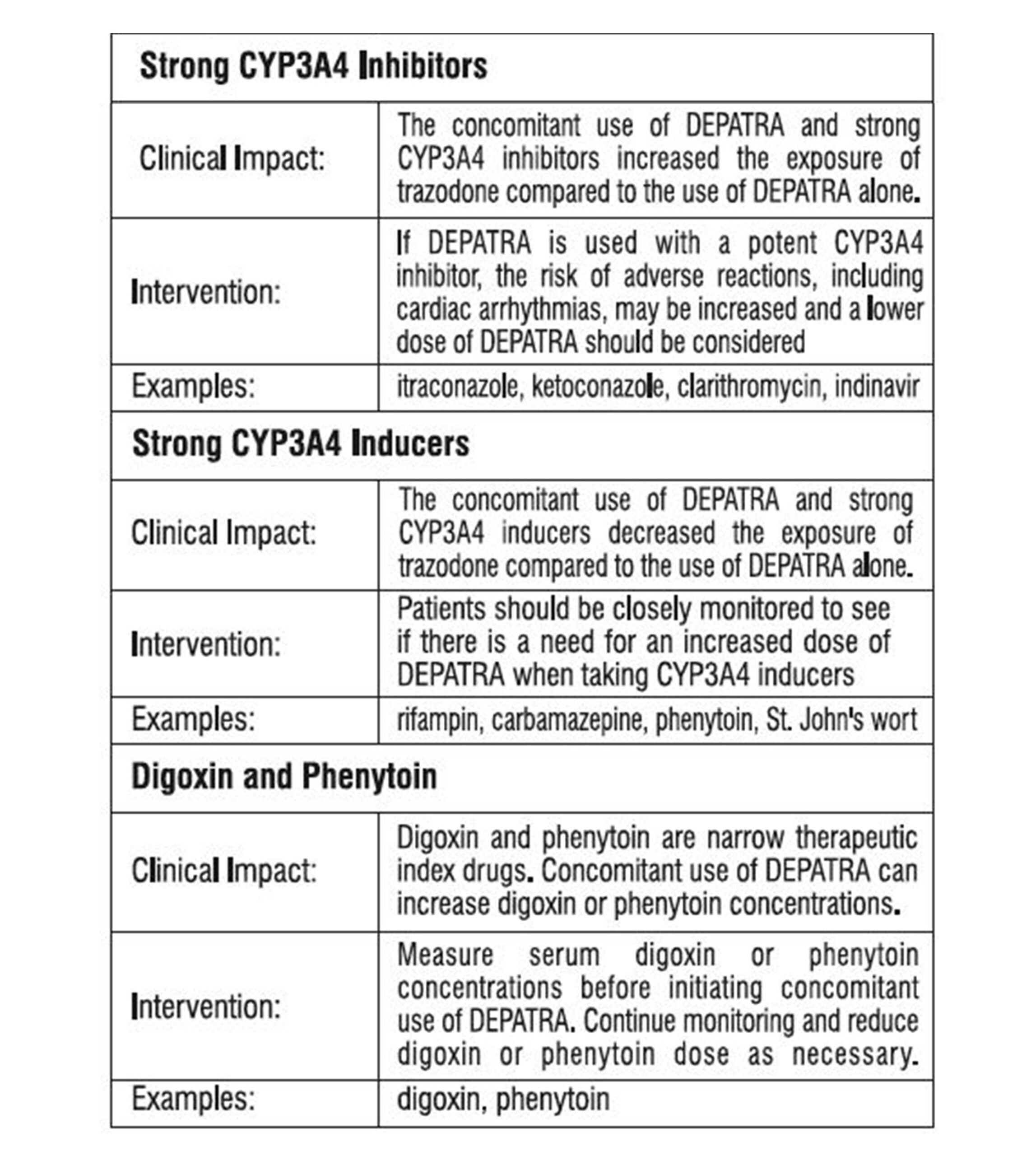
Consider reducing DEPATRA dose based on tolerability when DEPATRA is coadministered with a strong CYP3A4 inhibitor.
Coadministration with Strong CYP3A4 Inducers
Consider increasing DEPATRA dose based on therapeutic response when DEPATRA is coadministered with a strong CYP3A4 inducer.
Discontinuation of Treatment with DEPATRA
Adverse reactions may occur upon discontinuation of DEPATRA. Gradually reduce the dosage rather than stopping DEPATRA abruptly whenever possible.
CONTRAINDICATIONS
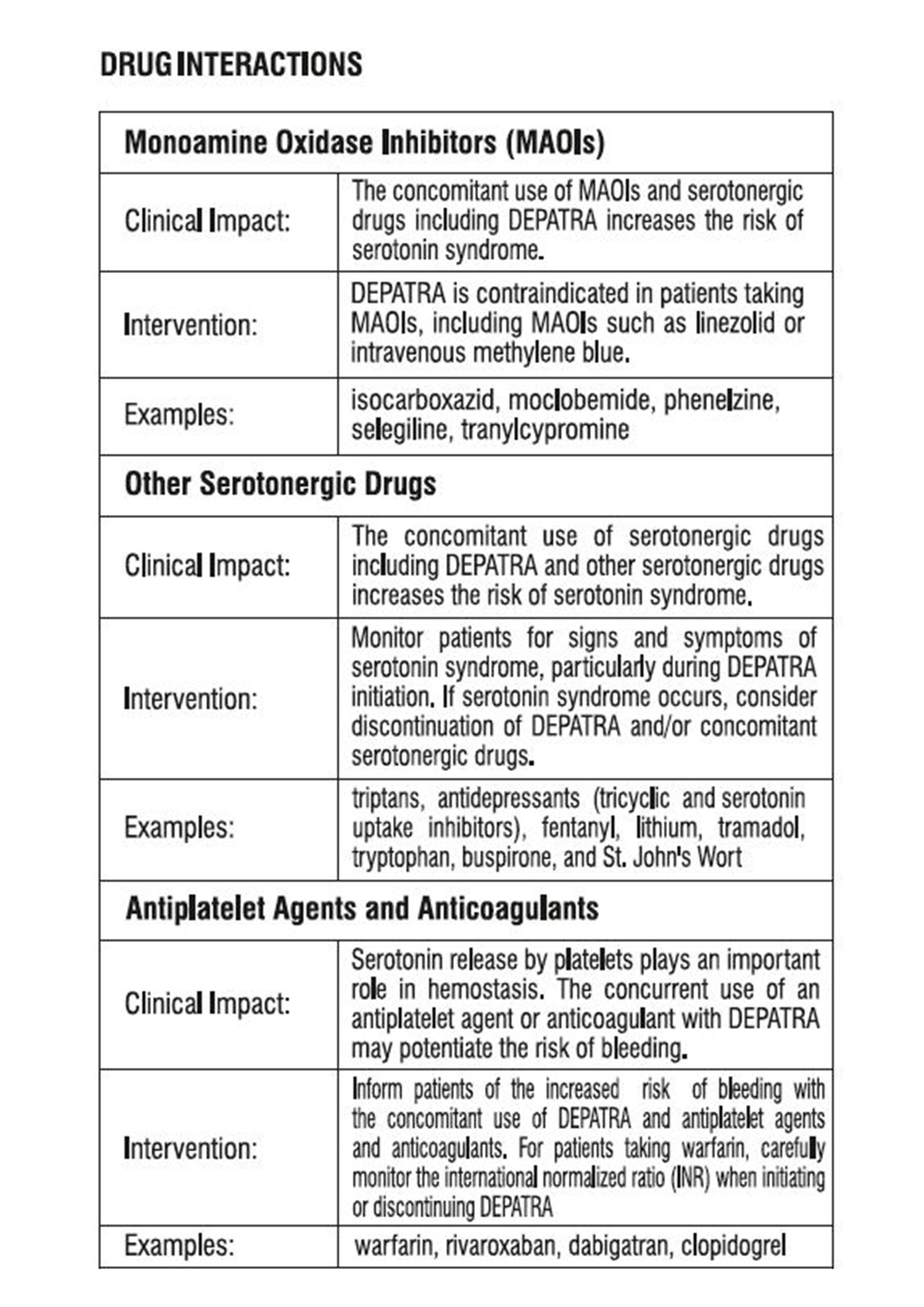
DEPATRA is contraindicated in: Patients taking, or within 14 days of stopping, monoamine oxidase inhibitors (MAOIs), including MAOIs such as linezolid or intravenous methylene blue, because of an increased risk of serotonin syndrome.
WARNINGS AND PRECAUTIONS
Suicidal Thoughts and Behaviors in Pediatric and Young Adult Patients
Monitor all antidepressant-treated patients for clinical worsening and emergence of suicidal thoughts and behaviors, especially during the initial few months of drug therapy and at times of dosage changes. Counsel family members or caregivers of patients to monitor for changes in behavior and to alert the healthcare provider. Consider changing the therapeutic regimen, including possibly discontinuing DEPATRA, in patients whose depression is persistently worse, or who are experiencing emergent suicidal thoughts or behaviors.
Serotonin Syndrome
Serotonin-norepinephrine reuptake inhibitors (SNRIs) and SSRIs, including DEPATRA, can precipitate serotonin syndrome, a potentially life-threatening condition. The risk is increased with concomitant use of other serotonergic drugs (including triptans, tricyclic antidepressants, fentanyl, lithium, tramadol, tryptophan, buspirone, amphetamines, and St. John’s Wort) and with drugs that impair metabolism of serotonin, i.e., MAOIs. Serotonin syndrome can also occur when these drugs are used alone.
Serotonin syndrome signs and symptoms may include mental status changes (e.g., agitation, hallucinations, delirium, and coma), autonomic instability (e.g., tachycardia, labile blood pressure, dizziness, diaphoresis, flushing, hyperthermia), neuromuscular symptoms (e.g., tremor, rigidity, myoclonus, hyperreflexia, incoordination), seizures, and gastrointestinal symptoms (e.g., nausea, vomiting, diarrhea).
The concomitant use of DEPATRA with MAOIs is contraindicated. In addition, do not initiate DEPATRA in a patient being treated with MAOIs such as linezolid or intravenous methylene blue. No reports involved the administration of methylene blue by other routes (such as oral tablets or local tissue injection). If it is necessary to initiate treatment with an MAOI such as linezolid or intravenous methylene blue in a patient taking DEPATRA, discontinue DEPATRA before initiating treatment with the MAOI.
Monitor all patients taking DEPATRA for the emergence of serotonin syndrome. Discontinue treatment with DEPATRA and any concomitant serotonergic agents immediately if the above symptoms occur, and initiate supportive symptomatic treatment. If concomitant use of DEPATRA with other serotonergic drugs is clinically warranted, inform patients of the increased risk for serotonin syndrome and monitor for symptoms.
Cardiac Arrhythmias
Clinical studies indicate that trazodone hydrochloride may be arrhythmogenic in patients with preexisting cardiac disease. Arrhythmias identified include isolated PVCs, ventricular couplets, tachycardia with syncope, and torsade de pointes. DEPATRA should also be avoided in patients with a history of cardiac arrhythmias, as well as other circumstances that may increase the risk of the occurrence of torsade de pointes and/or sudden death, including symptomatic bradycardia, hypokalemia or hypomagnesemia, and the presence of congenital prolongation of the QT interval. DEPATRA is not recommended for use during the initial recovery phase of myocardial infarction. Caution should be used when administering DEPATRA to patients with cardiac disease and such patients should be closely monitored, since antidepressant drugs (including DEPATRA) may cause cardiac arrhythmias.
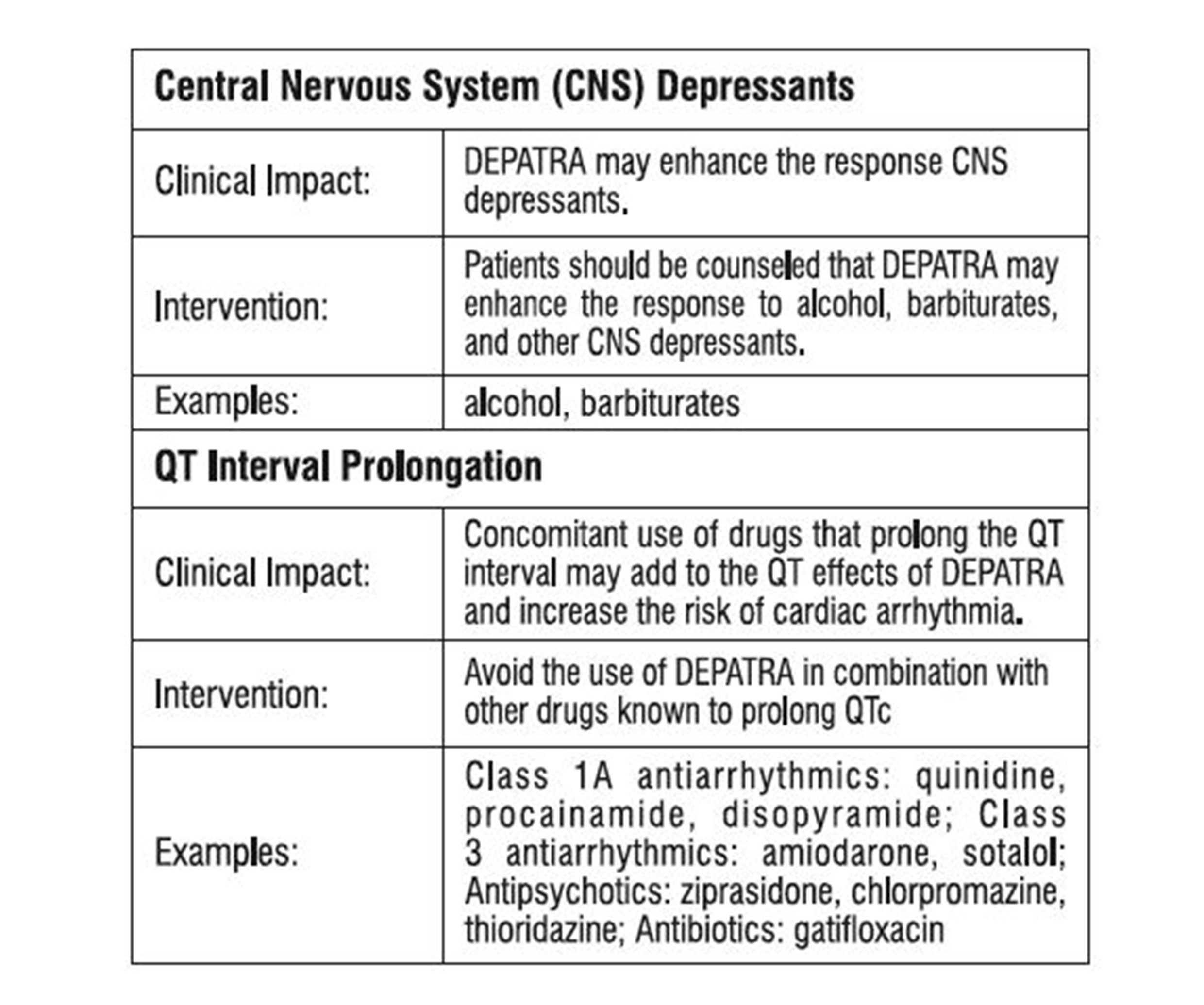
DEPATRA prolongs the QT/QTc interval. The use of DEPATRA should be avoided in patients with known QT prolongation or in combination with other drugs that are inhibitors of CYP3A4 (e.g., itraconazole, clarithromycin, voriconazole), or known to prolong QT interval including Class 1A antiarrhythmics (e.g., quinidine, procainamide) or Class 3 antiarrhythmics (e.g., amiodarone, sotalol), certain antipsychotic medications (e.g., ziprasidone, chlorpromazine, thioridazine), and certain antibiotics (e.g., gatifloxacin). Concomitant administration of drugs may increase the risk of cardiac arrhythmia.
Orthostatic Hypotension and Syncope
Hypotension, including orthostatic hypotension and syncope has been reported in patients receiving trazodone hydrochloride. Concomitant use with an antihypertensive may require a reduction in the dose of the antihypertensive drug.
Increased Risk of Bleeding
Drugs that interfere with serotonin reuptake inhibition, including DEPATRA, increase the risk of bleeding events. Concomitant use of aspirin, nonsteroidal anti-inflammatory drugs (NSAIDS), other antiplatelet drugs, warfarin, and other anticoagulants may add to this risk. Case reports and epidemiological studies (case-control and cohort design) have demonstrated an association between use of drugs that interfere with serotonin reuptake and the occurrence of gastrointestinal bleeding. Bleeding events related to drugs that interfere with serotonin reuptake have ranged from ecchymosis, hematoma, epistaxis, and petechiae to life-threatening hemorrhages. Inform patients about the risk of bleeding associated with the concomitant use of DEPATRA and antiplatelet agents or anticoagulants. For patients taking warfarin, carefully monitor coagulation indices when initiating, titrating, or discontinuing DEPATRA.
Priapism
Cases of priapism (painful erections greater than 6 hours in duration) have been reported in men receiving DEPATRA.
Priapism, if not treated promptly, can result in irreversible damage to the erectile tissue. Men who have an erection lasting greater than 4 hours, whether painful or not, should immediately discontinue the drug and seek emergency medical attention.
DEPATRA should be used with caution in men who have conditions that might predispose them to priapism (e.g., sickle cell anemia, multiple myeloma, or leukemia), or in men with anatomical deformation of the penis (e.g., angulation, cavernosal fibrosis, or Peyronie’s disease).
Activation of Mania or Hypomania
In patients with bipolar disorder, treating a depressive episode with DEPATRA or another antidepressant may precipitate a mixed/manic episode. Activation of mania/hypomania has been reported in a small proportion of patients with major affective disorder who were treated with antidepressants. Prior to initiating treatment with DEPATRA, screen patients for any personal or family history of bipolar disorder, mania, or hypomania.
Discontinuation Syndrome
Adverse reactions after discontinuation of serotonergic antidepressants, particularly after abrupt discontinuation, include: nausea, sweating, dysphoric mood, irritability, agitation, dizziness, sensory disturbances (e.g., paresthesia, such as electric shock sensations), tremor, anxiety, confusion, headache, lethargy, emotional lability, insomnia, hypomania, tinnitus, and seizures. A gradual reduction in dosage rather than abrupt cessation is recommended whenever possible.
Potential for Cognitive and Motor Impairment
DEPATRA may cause somnolence or sedation and may impair the mental and/or physical ability required for the performance of potentially hazardous tasks. Patients should be cautioned about operating hazardous machinery, including automobiles, until they are reasonably certain that the drug treatment does not affect them adversely.
Angle-Closure Glaucoma
The pupillary dilation that occurs following use of many antidepressant drugs including DEPATRA may trigger an angle closure attack in a patient with anatomically narrow angles who does not have a patent iridectomy. Avoid use of antidepressants, including DEPATRA, in patients with untreated anatomically narrow angles.
Hyponatremia
Hyponatremia may occur as a result of treatment with SNRIs and SSRIs, including DEPATRA. Signs and symptoms of hyponatremia include headache, difficulty concentrating, memory impairment, confusion, weakness, and unsteadiness, which can lead to falls. Signs and symptoms associated with more severe and/or acute cases have included hallucination, syncope, seizure, coma, respiratory arrest, and death. In many cases, this hyponatremia appears to be the result of the syndrome of inappropriate antidiuretic hormone secretion (SIADH). In patients with symptomatic hyponatremia, discontinue DEPATRA and institute appropriate medical intervention. Elderly patients, patients taking diuretics, and those who are volume-depleted may be at greater risk of developing hyponatremia with SSRIs and SNRIs.
USE IN SPECIFIC POPULATIONS
Pregnancy
Teratogenic Effects
Pregnancy Category C
Trazodone hydrochloride has been shown to cause increased fetal resorption and other adverse effects on the fetus in the rat when given at dose levels approximately 6 to 9 times the maximum recommended human dose (MRHD) of 400 mg/day on mg/m² in adolescents. There was also an increase in congenital anomalies in the rabbit at approximately 6 to 17 times the MRHD on mg/m² basis in adolescents. There are no adequate and well-controlled studies in pregnant women.
Trazodone hydrochloride should be used during pregnancy only if the potential benefit justifies the potential risk to the fetus.
Nursing Mothers
Trazodone and/or its metabolites have been found in the milk of lactating rats, suggesting that the drug may be secreted in human milk. Caution should be exercised when trazodone is administered to a nursing woman.
Pediatric Use
Safety and effectiveness in the pediatric population have not been established. Antidepressants increased the risk of suicidal thoughts and behaviors in pediatric patients.
Geriatric Use
Reported clinical literature and experience with trazodone has not identified differences in responses between elderly and younger patients. However, as experience in the elderly with trazodone hydrochloride is limited, it should be used with caution in geriatric patients.
Serotonergic antidepressants have been associated with cases of clinically significant hyponatremia in elderly patients, who may be at greater risk for this adverse reaction.
Renal Impairment
Trazodone has not been studied in patients with renal impairment. Trazodone should be used with caution in this population.
Hepatic Impairment
Trazodone has not been studied in patients with hepatic impairment. Trazodone should be used with caution in this population.
UNDESIRABLE EFFECTS
– LurasidoneHydrochloride Suicidal Thoughts and Behavior in Children, Adolescents and Young Adults
– Serotonin Syndrome
– Cardiac Arrythmias
– Orthostatic Hypotension and Syncope
– Increased Risk of Bleeding
– Priapism
– Activation of Mania or Hypomania
– Discontinuation Syndrome
– Potential for Cognitive and Motor Impairment
– Angle-Closure Glaucoma
– Hyponatremia
OVERDOSAGE
Death from overdose has occurred in patients ingesting DEPATRA and other CNS depressant drugs concurrently (alcohol; alcohol and chloral hydrate and diazepam; amobarbital; chlordiazepoxide; or meprobamate).
The most severe reactions reported to have occurred with overdose of DEPATRA alone have been priapism, respiratory arrest, seizures, and ECG changes, including QT prolongation. The reactions reported most frequently have been drowsiness and vomiting. Overdosage may cause an increase in incidence or severity of any of the reported adverse reactions.
STORAGE
Store below 30° С.
PRESENTATION
Blister pack of 3 x 10’s in a carton along with pack insert.
KEEP MEDICINE OUT OF REACH OF CHILDREN.
Product of:
Zifam Pinnacle Pty Ltd.,
Sydney, Australia.
Manufactured By:
Zifam Pyrex Myanmar Co. Ltd.,
Lot C6, Zone A, Thilawa SEZ, Thanlyin & Kyauk Tan Township, Yangon, Myanmar.